NBA Player Props UK: Top Odds and Betting Markets
 Available in US
Table of Contents
- NBA Props Betting Strategies for UK Players
- What Are NBA Player Props?
- Player Props vs Traditional NBA Bets
- Types of NBA Player Props
- Decimal Odds Basics for UK Bettors
- Where to Bet NBA Props in the UK
- How to Find Value in NBA Props
- Do the maths before the tip-off
- Do NBA Props Include Overtime?
- What Happens If a Player Doesn’t Play?
- NBA Schedule for UK Bettors
- Responsible Gambling and Bankroll Basics
- Getting Started: Your First NBA Prop Bet
- Frequently Asked Questions
- Start Betting Smarter on NBA Props
Data-driven NBA props picks. Built for UK bettors.
By NBA Props Analyst

Three years ago, I placed my first NBA player props bet from my flat in Manchester. It was a simple points over on a mid-tier guard, and I lost. But that loss taught me something valuable: NBA player props reward preparation in ways that traditional betting simply cannot match. Since then, I have dedicated my career to understanding these markets – and helping UK bettors navigate them with confidence.
The proposition betting landscape has exploded. With roughly 10% of UK adults now participating in online sports betting, basketball has carved out a dedicated following among punters who appreciate the analytical depth that individual player markets offer. Unlike backing a team to win or cover a spread, props let you focus on what a single athlete will do – score 25 points, grab 8 rebounds, dish 6 assists. It is granular. It is data-rich. And for those willing to do the homework, it can be remarkably rewarding.
This guide is built specifically for UK bettors. You will not find American odds here unless we are converting them. The sportsbooks I reference hold UK Gambling Commission licences. The strategies account for our time zones, our regulatory environment, and our decimal-first approach to pricing. Everything else you read online caters to American audiences – this is different.
What makes player props particularly attractive is the sheer volume of opportunity. The average NBA sportsbook offers more than 50 markets per game, including extensive player prop selections. That means on a typical night with 10 games, you are looking at 500+ betting opportunities before considering alternate lines. The market inefficiencies exist – the challenge is learning to spot them consistently.
I have spent nine years dissecting these markets. I have tracked thousands of bets, built projection models, and learned which factors actually matter versus which ones the casual punter overweights. This guide distils that experience into a practical framework that any UK bettor can apply immediately. Whether you are placing your first player prop tonight or looking to refine an existing approach, you will find actionable insights in every section.
NBA Props Betting Strategies for UK Players
- NBA player props let you bet on individual statistics – points, rebounds, assists, PRA – instead of team outcomes, offering more opportunities to find value than heavily-scrutinised spreads and totals.
- UK sportsbooks display decimal odds by default. At 1.91 odds, the implied probability is 52.4% – your edge exists when you assess higher true probability through matchup analysis, minutes projection, and situational factors.
- With 13.5 million active UK gambling accounts and 50+ prop markets per NBA game, line shop across multiple UKGC-licensed books to maximise returns on identical bets.
- Props include overtime unless explicitly marked “regulation only.” Voided bet rules vary – verify your sportsbook’s minimum minutes threshold before betting injury-prone players.
- Games tip off midnight to 3am UK time. Research in the morning when lines release, bet before American markets move them, and set deposit limits before placing your first wager.
What Are NBA Player Props?
My first meaningful win came from understanding something deceptively simple: player props are not about predicting games – they are about predicting individuals. That mental shift changed everything. When you bet on LeBron to score over 27.5 points, the Lakers winning or losing is technically irrelevant to your wager. You are betting on LeBron’s performance alone.
A player proposition bet – or “prop” in common parlance – is a wager on a specific statistical outcome for an individual athlete within a game. The most common format is over/under, where the sportsbook sets a line (say, 7.5 rebounds) and you decide whether the player will exceed that number or fall short. The beauty lies in the precision: you are not handicapping an entire team’s performance but zeroing in on one player’s expected output.
Over/Under (O/U) – A bet type where the sportsbook sets a statistical line, and you wager whether the actual result will be higher (over) or lower (under) than that number.
Justin Phan, Managing Director at Unabated, put it well: “There’s a higher degree of certainty in NBA props. It’s a less event-based sport. You’re not betting on touchdowns or big catches or home runs.” He is right. Basketball generates consistent statistical output – a starter plays roughly 32-36 minutes and touches the ball dozens of times. That predictability creates opportunity.
The prop betting market has expanded dramatically since 2018, with props now featuring in the majority of same-game parlays. This growth reflects bettor demand for more granular markets where individual research can yield an edge. But to capitalise, you need to understand the core categories.
Points Props
The most popular market. You bet on whether a player will score over or under a set number of points. Lines typically range from 5.5 for bench players to 35.5+ for elite scorers. Driven primarily by usage rate, minutes, and pace.
Rebounds Props
Wagers on total rebounds collected. Centers and power forwards dominate these markets with lines often between 8.5 and 14.5. Wing players and guards see lower lines, typically 3.5 to 6.5.
Assists Props
Betting on playmaking output. Point guards carry the highest lines (8.5-12.5), while shooting guards and forwards typically see 2.5 to 5.5. Heavily influenced by teammate shooting and game script.
PRA (Points + Rebounds + Assists) – A combined stat prop adding all three categories together. Popular for versatile players who contribute across multiple statistical areas. Reduces variance compared to single-stat props.

Three-Pointers Made
A count of successful three-point shots. High-variance market due to shooting percentage fluctuations. Lines usually range from 1.5 to 4.5 depending on the shooter’s volume.
Steals and Blocks
Defensive statistics with low totals and high variance. Most lines sit between 0.5 and 2.5. These props require understanding of matchup dynamics and individual defensive tendencies.
Understanding these categories is just the starting point. The real question is why player props might offer better opportunities than traditional NBA bets in the first place.
Player Props vs Traditional NBA Bets
I spent my first two years betting exclusively on spreads and totals. The results were mediocre at best – I was essentially gambling against sharper bettors and sophisticated oddsmakers with no discernible edge. Then I shifted to props, and my hit rate climbed by nearly 8% over the following season. The difference was not luck; it was information asymmetry.
Traditional NBA bets – moneylines, point spreads, and game totals – are among the most efficiently priced markets in sports betting. Oddsmakers dedicate enormous resources to these lines because they attract the highest handle. Sharp syndicates hammer any mispricing within minutes of release. For the recreational punter, competing in these markets is like playing poker against professionals while learning the rules.
Player props occupy a different space. The sheer volume of markets (50+ per game multiplied by hundreds of games per season) means oddsmakers cannot scrutinise each line with the same intensity. Props on backup point guards or mid-rotation wings often receive minimal attention, creating pockets of value that survive until tip-off.
| Factor | Traditional Bets | Player Props |
|---|---|---|
| Market Efficiency | Very high – sharp money corrects quickly | Variable – niche markets less efficient |
| Research Focus | Team dynamics, matchups, trends | Individual player situations, minutes |
| Variance | Moderate | Higher (especially defensive stats) |
| Edge Potential | Low for recreational bettors | Higher for specialised knowledge |
| Information Value | Widely disseminated | Niche info can create real edges |
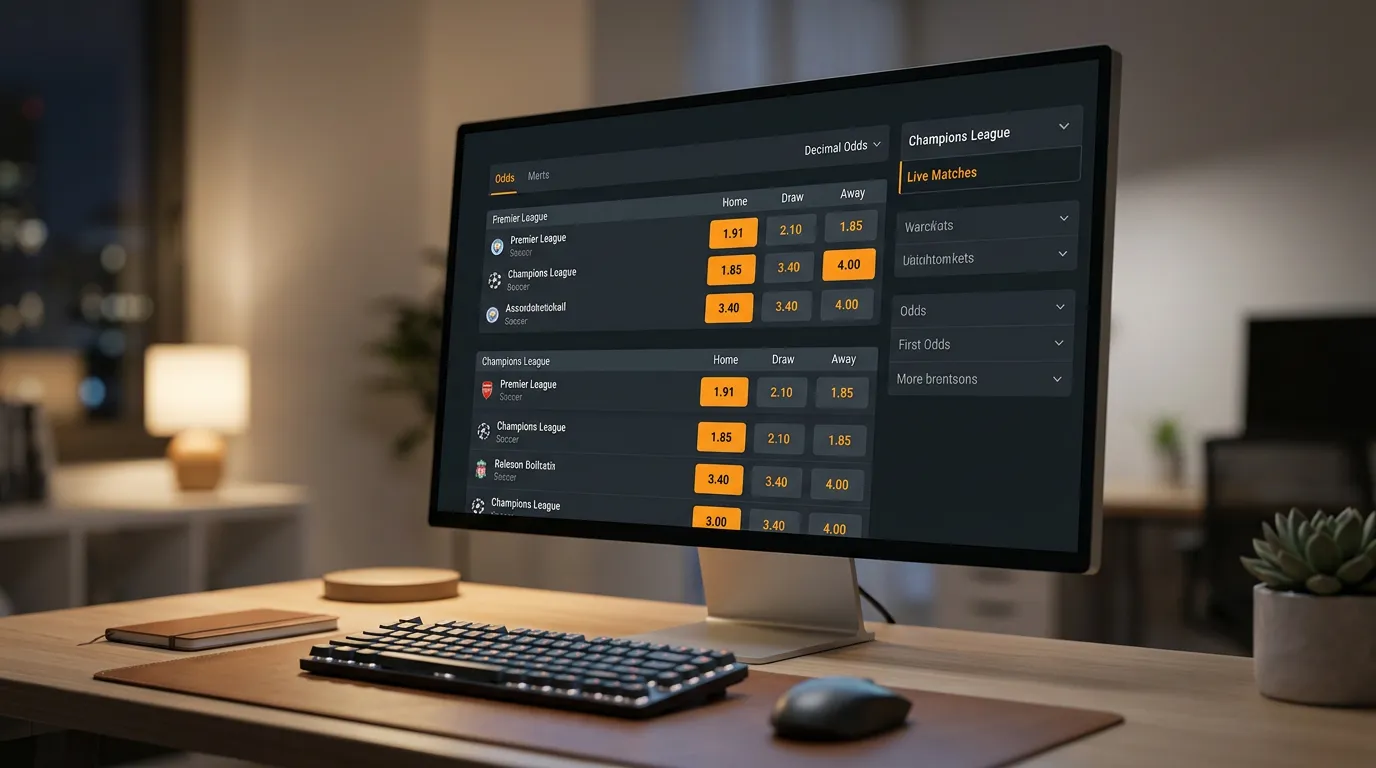
Live and in-play betting now represents 62.35% of the online betting market share. This shift has implications for props: lines move faster once games begin, and the edge window narrows. Pre-match props research, done properly, still offers the best opportunity to identify mispriced lines before the market catches up.
Variance Warning: Player props, particularly defensive statistics like steals and blocks, carry higher variance than team totals. A player’s steal count might fluctuate between 0 and 5 across similar matchups. Account for this in your staking plan – props require patience and sufficient sample sizes to evaluate performance accurately.
The control aspect appeals to many bettors. When you bet a spread, you are subject to late-game fouling, garbage-time scores, and coaching decisions affecting the margin. When you bet a points prop, the player either scores the number or does not – the game outcome adds noise but does not directly determine your bet’s fate. This isolation from team-level chaos is why I gravitated toward props and never looked back.
That said, props demand more research time per bet. You cannot simply back the favourite and move on. Each wager requires checking injury reports, recent form, matchup data, and projected minutes. For those willing to invest that effort, props transform betting from gambling into something closer to informed speculation.
Types of NBA Player Props
During the 2024-25 season, I tracked every prop type separately. The results surprised me: my rebounds props hit at 56%, while my three-pointer props barely cracked 48%. The discrepancy was not random – different prop categories have fundamentally different characteristics, and understanding these nuances shapes which markets deserve your attention.
The average NBA sportsbook offers more than 50 markets per game, and that figure balloons when you include alternate lines. Navigating this volume requires categorisation. Below, I break down each major prop type with the practical details you need.
Points Props
The flagship market. Points props attract the most action and receive the most attention from oddsmakers, making them relatively efficient compared to other categories. Lines typically release 12-18 hours before tip-off and adjust based on betting flow and news. The primary drivers are usage rate (how often a player shoots when on court), projected minutes, and pace of play. A starter averaging 22 points might see a line of 21.5, with the half-point buffer accounting for natural variance. Points props correlate strongly with minutes – if you expect reduced playing time due to blowout risk, unders gain value. For deep analysis, I have written extensively about NBA points props in a dedicated guide.
Rebounds Props
Position matters enormously here. Centers routinely see lines of 10.5-14.5, while guards might sit at 3.5-5.5. The variance is lower than points because rebounding opportunities are more evenly distributed across game situations. Key factors include opponent rebounding rate, game total (more misses mean more rebounds), and teammate availability. When a starting centre is out, the backup’s rebounds line often lags the expected increase – these are prime spots for overs. Rebounds also correlate with game pace: faster teams create more possessions and more rebounding chances.
Assists Props
The most team-dependent prop category. An assist requires a teammate to convert, so a point guard with cold-shooting wings will struggle regardless of playmaking talent. Primary ball handlers carry lines from 7.5 to 12.5, while secondary playmakers sit around 3.5-6.5. Game script heavily influences assists: blowouts reduce late-game playmaking opportunities as starters rest. Back-to-back situations often suppress assists slightly as fatigue affects precision passing. For combined analysis of playmaking and rebounding markets, see my guide on rebounds and assists props.
PRA (Points + Rebounds + Assists)
Combined props reduce variance by aggregating three categories. A player who falls short on points but grabs extra rebounds can still hit a PRA over. Lines typically sit between 25.5 and 55.5 for starters, with elite all-around players like triple-double threats seeing higher numbers. PRA props work best for versatile players whose contributions shift based on game flow – if shots are not falling, they compensate with playmaking or glass work. The correlation between categories means you cannot simply add individual expectations; sportsbooks adjust for this overlap.
Three-Pointers Made
High variance, high entertainment value. Even elite shooters have nights where nothing drops. Lines range from 1.5 for moderate-volume shooters to 4.5+ for specialists like Stephen Curry. The key metric is three-point attempts rather than percentage – volume correlates more reliably with made threes than hot-and-cold accuracy. Defensive matchups matter: teams that switch everything limit open looks, while drop coverage can create catch-and-shoot opportunities. I generally avoid backing overs on players with fewer than 5 three-point attempts per game due to the variance involved.
Steals Props
Extremely volatile. Most lines sit at 0.5 or 1.5, and the difference between hitting and missing often comes down to a single deflection. Steals correlate with defensive assignment (guarding ball handlers creates more opportunities) and opponent turnover rate. Teams averaging 15+ turnovers per game provide fertile ground for steals props. That said, even elite defensive guards fluctuate between 0 and 4 steals game-to-game. Only bet steals when you have a specific matchup rationale.
Blocks Props
Similar volatility to steals but concentrated among big men. Lines typically range from 0.5 to 2.5, with elite rim protectors occasionally seeing 3.5. The primary driver is opponent shot distribution – teams that attack the paint create blocking opportunities, while perimeter-heavy offences reduce them. Blocks also depend on scheme: drop coverage generates more contests than switch-everything defences. Like steals, blocks are high-risk markets best suited for targeted plays rather than regular betting.
Double-double and triple-double props offer another dimension. These yes/no markets pay out based on whether a player reaches double figures in two or three categories. Pricing varies significantly, and the value lies in identifying players whose statistical profiles make double-digit rebounds or assists more likely than the market suggests.
Decimal Odds Basics for UK Bettors
Every American betting resource uses odds formats that make no intuitive sense to UK punters. I wasted months early in my career trying to mentally convert -110 and +150 before realising I could simply demand decimal odds from my bookmaker and be done with it. This section covers the essentials – for deeper mechanics on implied probability and line value, see my comprehensive guide on NBA player props odds.
Decimal odds represent your total return per unit staked, including the original stake. If you bet £10 at 1.91 odds, you receive £19.10 back if successful – your £10 stake plus £9.10 profit. The calculation is straightforward: stake multiplied by decimal odds equals total return. No memorisation of American conversion tables required.
Decimal Odds: 1.91
Stake: £20
Calculation: £20 × 1.91 = £38.20
Profit if win: £18.20
To convert decimal odds to implied probability, divide 1 by the decimal odds. At 1.91, the implied probability is 1 ÷ 1.91 = 52.4%. This tells you how often the bet needs to win for you to break even over time. If you believe the true probability exceeds 52.4%, the bet offers positive expected value.
UK sportsbooks display decimal odds by default, but you will encounter American odds when reading analysis from US sources. The conversion is not difficult once you understand the logic. Positive American odds (like +110) represent the profit on a £100 stake: +110 means £110 profit, which translates to decimal odds of 2.10. Negative American odds (like -120) represent the stake required to win £100: -120 means you bet £120 to win £100, translating to decimal odds of approximately 1.83.
American to Decimal Conversion
American +150 → (150 ÷ 100) + 1 = 2.50 decimal
American -130 → (100 ÷ 130) + 1 = 1.77 decimal
The “juice” or “vig” represents the bookmaker’s margin built into the odds. On a standard props market, both over and under might be priced at 1.91. If the true fair odds were 2.00 each (50/50 probability), the difference – 0.09 per unit – represents the bookmaker’s edge. Finding value means identifying spots where your assessed probability exceeds the implied probability after accounting for this margin.
Where to Bet NBA Props in the UK
The UK market looks nothing like the American duopoly where two operators control over 70% of handle. Here, competition between UKGC-licensed sportsbooks creates genuine variation in odds, features, and prop depth. I maintain accounts at five different books specifically to line shop on player props – the effort pays dividends.
With 13.5 million average monthly active online gambling accounts in the UK, the market supports numerous operators offering NBA coverage. The critical requirement for any book you use: a valid UK Gambling Commission licence. This ensures regulatory oversight, responsible gambling tools, and recourse if disputes arise. Never bet with an unlicensed operator regardless of promotional offers.
| Feature | What to Look For | Why It Matters |
|---|---|---|
| Prop Market Depth | 50+ markets per game minimum | More options mean more opportunities for value |
| Odds Quality | Competitive pricing on standard lines | Small differences compound over hundreds of bets |
| Line Release Timing | Early lines (12-18 hours pre-game) | Early access allows betting before market correction |
| Bet Builder/SGP | Robust same-game parlay functionality | Combines props with game markets for custom wagers |
| Cash Out Options | Partial and full cash out on props | Flexibility to lock in profit or limit losses |
| Mobile App Quality | Responsive, stable, easy navigation | 76% of young UK bettors use mobile exclusively |
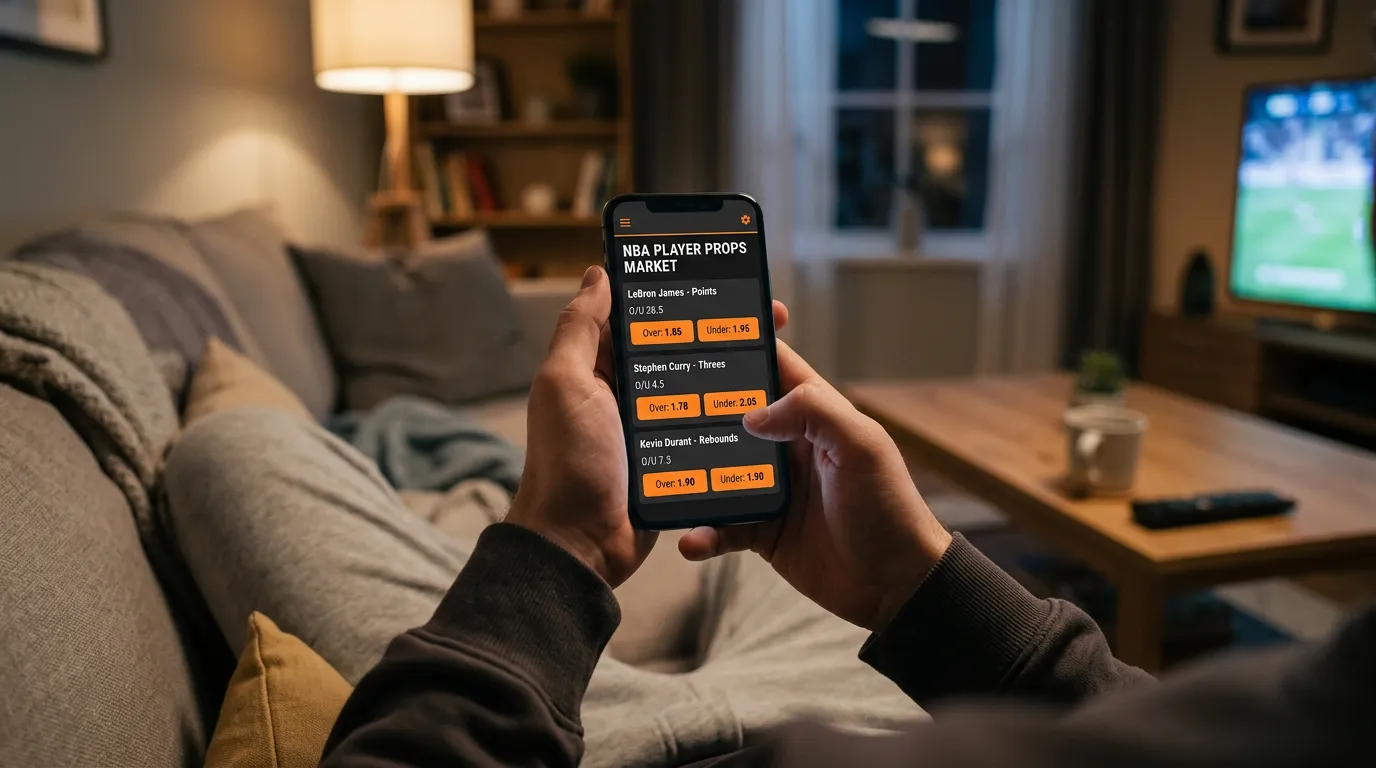
Major UK-licensed operators offer dedicated basketball sections with extensive NBA props. Some feature early payout promotions – for instance, certain books will pay out moneyline bets if your team leads by 20 points at any stage. While these promotions primarily target game markets, they indicate the operator’s commitment to NBA coverage and competitive edge.
Line shopping – comparing odds across multiple books – is essential for prop betting. On a typical evening with 10 NBA games, I often find half-point differences on player lines between operators. Backing an over at 22.5 versus 23.5 might seem trivial, but across hundreds of bets, those half-points translate to meaningful profit differences. I recommend opening accounts at a minimum of three UKGC-licensed sportsbooks to enable effective comparison.
Deposit limits, reality checks, and self-exclusion tools are mandatory for all UK operators. Use them. Set a weekly or monthly deposit ceiling before you start betting seriously – these guardrails protect against tilt and chasing behaviour that erodes bankrolls. The responsible gambling infrastructure exists; taking advantage of it is simply sensible bankroll management.
How to Find Value in NBA Props
Dimers, one of the leading projection platforms, runs 10,000 simulations per event to generate prop probabilities. Their analytics team put it plainly: “My top tip for using our best props is to focus on edges. Most days, the largest betting edges our model identifies by far belong to player prop bets rather than traditional moneylines, spreads or over/unders.” They are not exaggerating. Prop markets are where information asymmetry still exists in meaningful amounts.
Value betting is not about picking winners – it is about finding bets where your assessed probability exceeds the implied probability embedded in the odds. A prop priced at 1.91 implies a 52.4% win rate. If your analysis suggests the true probability is 58%, you have found positive expected value (+EV) regardless of whether that specific bet wins or loses.
Step 1: Establish Your Probability Estimate
Before looking at lines, determine what you believe the player’s statistical output will be. Use season averages, recent form (last 10 games), matchup data, and situational factors. If a centre averaging 11 rebounds faces a team allowing 52 rebounds per game to opposing centres, adjust upward. If he is on a back-to-back, adjust downward. Arrive at a number before the sportsbook influences your thinking.
Step 2: Convert Lines to Implied Probability
Check the prop line and odds. A line of 10.5 rebounds at 1.87 odds implies roughly 53.5% probability of the over hitting. Compare this to your estimate. If you projected 12 rebounds, you believe the over probability exceeds 60% – a significant edge.
Expected Value Formula
EV = (Win Probability × Profit if Win) – (Loss Probability × Stake)
Example: You estimate 60% chance of over hitting. Odds are 1.87 on a £10 bet.
EV = (0.60 × £8.70) – (0.40 × £10) = £5.22 – £4.00 = +£1.22
Positive EV indicates a profitable long-term proposition.

Do the maths before the tip-off
Step 3: Line Shop Before Betting
Check multiple UK-licensed sportsbooks for the same prop. Odds of 1.91 versus 1.83 on identical lines represents nearly a 5% return difference. Over a season of betting, that margin compounds significantly. Never settle for the first price you see.
Information edges in props come from several sources. Injury news is the most obvious – if a team’s primary scorer is ruled out, his teammates’ scoring and usage props should theoretically increase. But markets sometimes lag this adjustment by hours. Rotation changes, load management announcements, and even pregame warmup reports can move lines after they are set.
The key insight, as Unabated analyst Keech noted, is that “everything with the NBA is reading and reacting.” Stale lines on secondary players represent the best opportunities. While oddsmakers focus on star players, the bench rotation guard who just earned extra minutes rarely receives the same attention. For comprehensive strategy frameworks and bankroll approaches, my guide on NBA prop betting strategy goes deeper.
One caution: do not mistake recent hot streaks for sustainable edges. A guard who scored 30 points in three consecutive games might see an inflated line, but regression to his season average is more likely than continued outlier performance. Value exists in identifying when the market overreacts to small samples – both upward and downward.
Do NBA Props Include Overtime?
I learned this lesson expensively. Backed an under on a points prop, watched the player sit at 24 points with 20 seconds left in regulation against a line of 25.5, and celebrated prematurely. Then the game went to overtime. Eight extra minutes later, my “winner” had become a loser. Since then, I confirm the overtime policy for every prop bet I place.
The standard rule across most UK sportsbooks: NBA player props include overtime statistics. If a game extends beyond regulation, all stats accumulated in the extra periods count toward your prop settlement. This applies universally to points, rebounds, assists, steals, blocks, and combined props like PRA.
Standard Policy: Unless explicitly stated otherwise, assume all NBA player props include overtime. This is the default settlement rule at the vast majority of UKGC-licensed sportsbooks. Always verify the specific terms in your bet slip before confirming.
Why does this matter? Overtime dramatically shifts expected statistical output. Games that reach overtime typically feature evenly matched teams playing at high intensity, and starters often return for the full five-minute period. A player you expected to finish at 28 points might add 8 more in overtime. This risk cuts both ways – overs become more likely to hit, but so do unders that looked safe with two minutes remaining in regulation.
Some operators offer “regulation only” markets as an alternative. These props settle based exclusively on the first four quarters, disregarding overtime entirely. The odds reflect this difference – regulation-only unders typically offer slightly better prices because they remove the overtime variable. If you strongly prefer the certainty of four-quarter settlement, seek out these markets, but expect them to be less widely available than standard props.
Blowout-risk games rarely reach overtime, which creates an interesting dynamic. When betting overs on star players in games with wide spreads, you face minutes reduction if the game becomes one-sided but almost no overtime risk. When betting props in projected close games, overtime becomes a genuine factor – potentially adding 10-15% to scoring output.
What Happens If a Player Doesn’t Play?
You have done your research, placed your prop bet, and settled in to watch the game – then the pre-game injury report drops and your player is out with a sore knee. What happens to your wager? This scenario occurs more often than you might expect, and understanding void rules saves both confusion and frustration.
The universal rule at UK-licensed sportsbooks: if a player does not enter the game at all (DNP – Did Not Play), the prop bet is voided and your stake is returned. This applies whether the absence is due to injury, illness, rest, personal reasons, or coaching decision. No play, no action – your money comes back.
DNP Rule: Player does not appear in the game at all = bet voided, stake returned in full. This is standard across UKGC-licensed operators. The void typically processes within 24 hours of game completion.
The complications arise with early exits. If a player enters the game but leaves due to injury before logging significant minutes, settlement varies by sportsbook. Some operators void bets if the player appears for fewer than a specified threshold – commonly 10 minutes of playing time. Others require the player to reach a statistical threshold (such as 10+ minutes or half the projected minutes) for bets to stand. A few settle all bets regardless of playing time once the player checks in.
Check Your Sportsbook’s Rules: Early exit policies differ significantly between operators. Before placing a prop bet, locate the settlement rules in your sportsbook’s terms and conditions. The five minutes you spend now prevents disputes later.
Ejections present another edge case. A player who is ejected receives credit for all statistics accumulated before the ejection, but obviously cannot add more. If he was sitting at 14 points against a 15.5 line when ejected, the under wins. Some bettors specifically target high-technical-foul players in frustration matchups, though this is an extremely speculative approach.
Load management has become endemic in the modern NBA. Stars frequently rest on back-to-back games, particularly later in the season. Lines on these players often release before rest decisions are announced, creating a window where you might place a bet that later voids. I avoid betting props more than 12 hours in advance on older stars or players with known load-management histories – the void risk outweighs the early-line advantage. For same-game parlays containing a voided prop leg, the parlay typically recalculates at reduced odds excluding that selection rather than voiding entirely.
NBA Schedule for UK Bettors
The first thing I tell any UK bettor interested in NBA props: accept that this is a late-night hobby. Unlike football or cricket, the NBA runs on American time, and that means most games tip off between 11pm and 3am UK time. This is either a dealbreaker or an opportunity, depending on your lifestyle and commitment level.
NBA games typically begin at 7pm, 7:30pm, or 10pm Eastern Time in the United States. For UK bettors, that translates to midnight, 12:30am, or 3am during Greenwich Mean Time (winter), and 12am, 12:30am, or 3am during British Summer Time. Weekend afternoon games in America start around 5:30pm GMT, offering the occasional reasonable viewing time.
UK Tip-Off Guide (GMT)
7:00pm ET = Midnight GMT
7:30pm ET = 12:30am GMT
10:00pm ET = 3:00am GMT
Weekend matinees: 1:00pm-5:30pm ET = 6:00pm-10:30pm GMT
The schedule creates a natural research window. Lines typically release 12-18 hours before tip-off, meaning morning releases for UK bettors. I do my prop research between 6am and 9am, checking overnight injury news and comparing lines across sportsbooks before the American betting public wakes up and moves the market. By noon UK time, my betting decisions are made – I am not scrambling at 11pm.
95% of UK online gambling takes place from home. For NBA bettors, that means setting up your research station – injury trackers, stats sites, multiple sportsbook tabs – wherever you feel comfortable. The late hours make dedicated betting spots impractical anyway.
The 82-game regular season runs from mid-October through mid-April, with playoffs extending through June. That is nearly nine months of consistent betting opportunities. The schedule front-loads games on weeknights, with fewer matchups on Fridays and Sundays when American audiences shift to football. For UK punters, the weeknight concentration actually helps – you can develop a Tuesday/Wednesday/Thursday routine without impacting weekend plans.
Recording games and watching them time-shifted eliminates the live viewing problem but introduces spoiler risk. I have learned to stay off social media and avoid sports news sites until I have watched my recorded games. Alternatively, focus purely on the betting aspect – place your props, set alerts for settlement, and check results in the morning without watching live.
Responsible Gambling and Bankroll Basics
Keith Whyte, former Executive Director of the National Council on Problem Gambling, described what happens when betting goes wrong: “This desperation phase of a gambling problem can lead to a host of negative consequences – from chasing losses to committing financial crimes to compromising the integrity of the game.” I have seen friends fall into this spiral. The distance between recreational betting and problem gambling is shorter than most people believe.
The UK Gambling Commission requires all licensed operators to provide self-exclusion options and deposit limits. This is not bureaucratic box-ticking – these tools exist because they work. Before you place a single NBA prop bet, set up your guardrails: weekly deposit limits, session time reminders, and reality checks that interrupt extended betting sessions. Doing this proactively, before any emotional involvement, creates friction that protects you later.
Support Resources: If gambling stops being entertainment and starts causing stress, financial strain, or relationship problems, help is available. GamCare (0808 8020 133) offers free confidential support. The National Gambling Helpline operates 24/7. GAMSTOP allows self-exclusion from all UKGC-licensed operators with a single registration.
Survey data from the UK Gambling Commission shows that 42% of gamblers felt positive about their last experience, while 35% felt neutral. The remaining 23% experienced negative feelings – stress, regret, or anxiety. If you consistently fall into that negative category, reassess whether NBA props betting aligns with your wellbeing.
Bankroll management transforms gambling from pure entertainment into something resembling investment. The principle is simple: bet only 1-3% of your total betting bankroll on any single prop, meaning a £1,000 bankroll yields £10-30 stakes. This approach ensures that inevitable losing streaks do not wipe you out before variance normalises.
Do
- Set deposit limits before you need them
- Track every bet in a spreadsheet or app
- Stake 1-3% of bankroll maximum per prop
- Take breaks after significant losses
- Treat betting funds as entertainment budget
Don’t
- Chase losses with larger stakes
- Bet with money needed for bills
- Increase stakes after winning streaks
- Bet while intoxicated or emotional
- Hide betting activity from partners
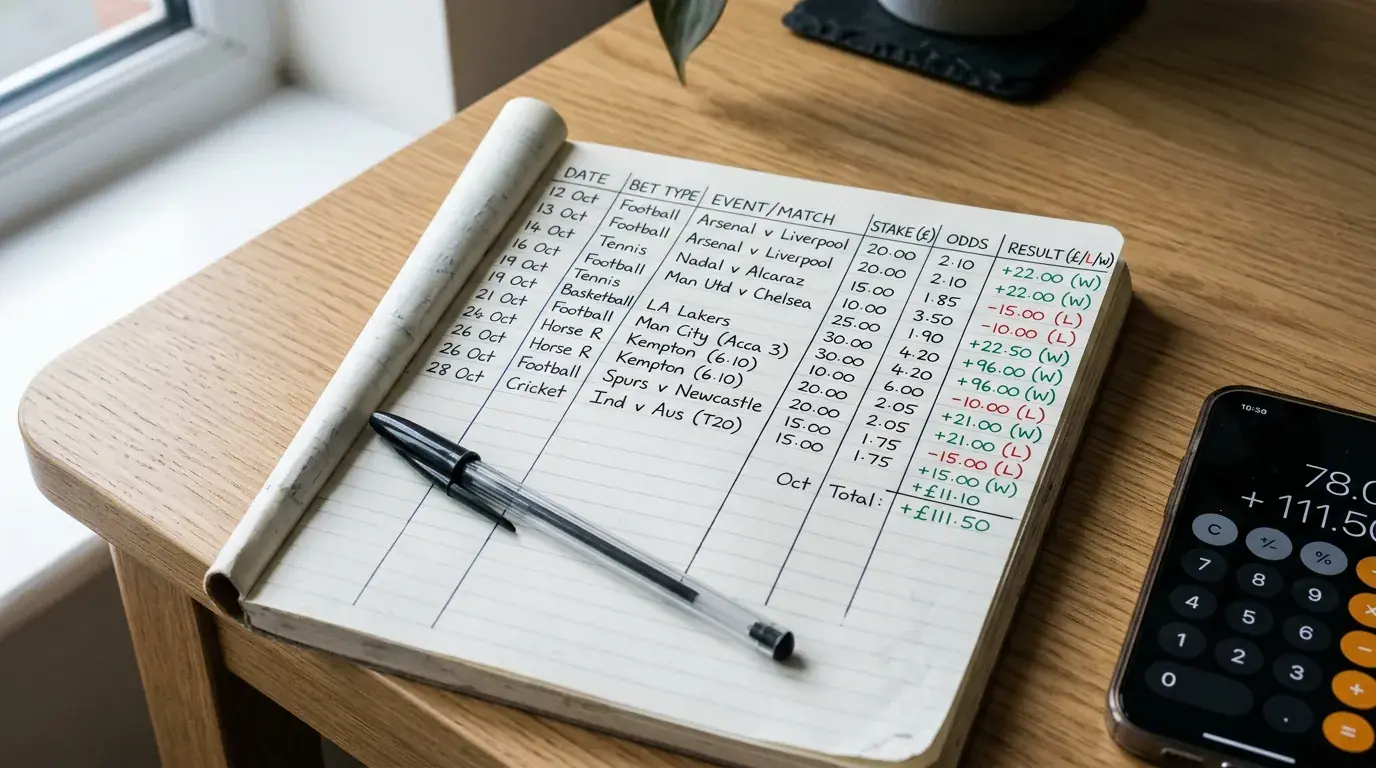
The compounding effect of consistent unit sizing creates sustainable growth. If you hit 54% of your props at average odds of 1.91, you generate roughly 2% ROI. On 500 bets per season at £20 average stakes, that is £200 profit – modest but positive. Academic research links gambling addiction to lower credit scores, higher bankruptcy rates, and increased overdraft fees. Before beginning any structured betting approach, ensure you can genuinely afford to lose your entire bankroll without material impact on your life.
Getting Started: Your First NBA Prop Bet
My first prop bet was overcomplicated. I tried to build a four-leg same-game parlay combining spread, total, and two player props before understanding any individual market. It lost, obviously, and I learned nothing except that complexity does not equal sophistication. Your first prop bet should be simple: one player, one statistic, over or under. Here is exactly how to execute it.
Seventy-six percent of UK bettors aged 18-24 use mobile phones for gambling. If you are in this demographic – or simply prefer the convenience – download your chosen sportsbook’s app rather than using the mobile browser. Apps offer faster load times, push notifications for line movements, and smoother bet slip functionality. The initial setup takes five minutes and improves every subsequent betting experience.
Step 1: Choose a UKGC-Licensed Sportsbook
Open an account with a UK Gambling Commission licensed operator. The registration process requires identity verification – have your driving licence or passport ready. Set your deposit limit during registration, not after. Fund your account with an amount you are comfortable losing entirely.
Step 2: Navigate to NBA Player Props
Find the basketball section, then NBA, then the specific game you want to bet. Look for tabs labelled “Player Props,” “Player Markets,” or similar. The interface varies by sportsbook, but all major UK operators separate player props from game markets.
Step 3: Select a Simple Points Prop
For your first bet, choose a points prop on a player you know. Star players have the most data available and the most predictable minute distributions. Look at the line – if it shows “LeBron James Points O/U 26.5,” you are betting whether he scores more or fewer than 26.5 points.
Your First Prop Bet: A Walkthrough
Player: Jayson Tatum | Prop: Points | Line: 27.5 | Odds: Over 1.87 / Under 1.87
Your research: Tatum averages 28.3 points this season. Tonight’s opponent allows the 5th-most points to small forwards. He is fully healthy and coming off two days rest.
Decision: You believe he exceeds his average in a favourable matchup. Bet: Over 27.5 at 1.87.
Stake: £10 (1% of your £1,000 bankroll).
Potential return: £10 × 1.87 = £18.70 (£8.70 profit).
Step 4: Confirm and Track
Review your bet slip before confirming. Verify the player name, stat category, line, and stake. After placing, record the bet in a tracking spreadsheet with date, player, prop type, line, odds, stake, and result (fill in later). This documentation is essential for evaluating your performance over time.
Resist the temptation to add complexity immediately. Same-game parlays, exotic props, and alternate lines all have their place, but only after you understand standard markets. Spend your first month betting single-stat props exclusively. Track your results. Identify which prop types and player profiles yield consistent hits for your handicapping style. Then, gradually expand.
Common beginner mistakes include betting too many props per slate, ignoring injury reports, and chasing losses with increased stakes. Your early bets teach you more about your own tendencies than about the markets themselves. Pay attention to when you deviate from your plan and why – those moments reveal weaknesses to address. After placing your bet, the waiting begins. For UK bettors, that often means placing bets in the evening and checking results in the morning – let the process play out, review the result, and move on.
Frequently Asked Questions
What are NBA player props and how do they work?
NBA player props are bets on individual player statistical performances within a game. Instead of betting on team outcomes, you wager on whether a specific player will exceed or fall short of a set number in categories like points, rebounds, assists, or three-pointers made. For example, if a sportsbook sets a line of 25.5 points for a player, you bet “over” if you believe he will score 26 or more, or “under” if you expect 25 or fewer. Props settle based solely on that player’s stats, regardless of whether his team wins or loses.
What does PRA mean in NBA betting?
PRA stands for Points + Rebounds + Assists, a combined statistical prop that aggregates all three categories into a single number. If a player has a PRA line of 35.5, you are betting on whether his total points, rebounds, and assists combined will exceed or fall short of that figure. PRA props are popular for versatile players who contribute across multiple statistical areas, as they reduce variance compared to betting on a single category. A slow scoring night can be offset by extra rebounds or assists, making PRA more forgiving than isolated stat props.
Do NBA player props include overtime?
Yes, in the vast majority of cases. Standard player props at UK-licensed sportsbooks include all statistics accumulated during overtime periods. If a game goes to overtime, any points, rebounds, assists, or other stats earned in the extra period count toward your prop bet settlement. Some sportsbooks offer “regulation only” props as a separate market, which exclude overtime statistics, but these must be explicitly labelled. Always verify the settlement terms in your bet slip if overtime treatment matters to your strategy.
What happens if a player doesn’t play or leaves early?
If a player does not enter the game at all (DNP), prop bets on that player are voided and stakes returned. Early exits due to injury are handled differently depending on the sportsbook – some void bets if the player logs fewer than a specified number of minutes (often 10), while others settle all bets as long as the player appeared on court. Ejections count all statistics accumulated before the ejection. Check your specific sportsbook’s settlement rules before betting, particularly on players with injury concerns or load management histories.
Are NBA props legal in the UK?
Yes, NBA player props are fully legal at UK Gambling Commission licensed sportsbooks. The UK has a regulated gambling market where licensed operators can offer sports betting including proposition bets on international competitions like the NBA. All major UK sportsbooks provide extensive NBA prop markets. The key requirement is using a UKGC-licensed operator, which ensures regulatory oversight, responsible gambling tools, and consumer protections. Unlicensed offshore operators should be avoided.
What’s the difference between props and traditional bets?
Traditional bets focus on team outcomes – who wins (moneyline), the margin of victory (spread), or combined scoring (totals). Props shift the focus to individual performances independent of game results. The practical difference is research approach and market efficiency. Traditional markets attract sharp money and are priced very efficiently. Props, with dozens of markets per game, receive less scrutiny and may offer more opportunities for informed bettors to find value. Props also allow specialisation – you can develop expertise on specific players or prop types rather than needing to handicap entire teams.
How do I find value in NBA player props?
Value exists when your assessed probability of an outcome exceeds the implied probability in the odds. Start by projecting the player’s likely statistical output using season averages, recent form, matchup data, and situational factors (rest, injuries, pace). Compare your projection to the sportsbook line. Then convert the odds to implied probability – at 1.91 odds, the implied probability is 52.4%. If your analysis suggests 58% likelihood of the over hitting, you have found value. Line shopping across multiple sportsbooks amplifies this edge by ensuring you get the best available price.
Start Betting Smarter on NBA Props
Nine years in, I am still learning. The NBA evolves constantly – pace changes, three-point volume shifts, load management becomes more aggressive – and prop markets adapt alongside. What worked three seasons ago might not work today. The bettors who succeed long-term share one trait: they treat each season as a new dataset requiring fresh analysis.
Bill Miller, President of the American Gaming Association, described the current landscape: “For another year, legal commercial gaming in the United States has delivered exceptional results for consumers, operators, and the communities we serve.” That growth has expanded prop markets, deepened liquidity, and created more opportunities for UK bettors willing to cross the time zone barrier. The infrastructure has never been better.
Remember the fundamentals covered in this guide: understand prop types and their variance profiles, work in decimal odds, use UKGC-licensed sportsbooks exclusively, calculate expected value before betting, respect overtime and void rules, manage your bankroll conservatively, and never stake money you cannot afford to lose. Everything else builds on these foundations.
Your next steps depend on your experience level. If you are genuinely new, place your first simple prop bet using the walkthrough above and track the result. If you have some experience, dive deeper into the cluster guides: points props for scoring markets, rebounds and assists for peripheral stats, or same-game parlays for combined wagers. For comprehensive bankroll and research frameworks, the strategy guide provides the systematic approach that separates recreational punters from serious bettors.
The games tip off tonight. The lines are posted. The research window is open. Whether you hit your first prop or miss it, you will know more tomorrow than you do today – and that accumulation of knowledge, applied consistently over hundreds of bets, is what ultimately determines whether NBA player props become a sustainable edge or just another form of entertainment. Make it count.
Created by the ”nba Bets Props” editorial team.